
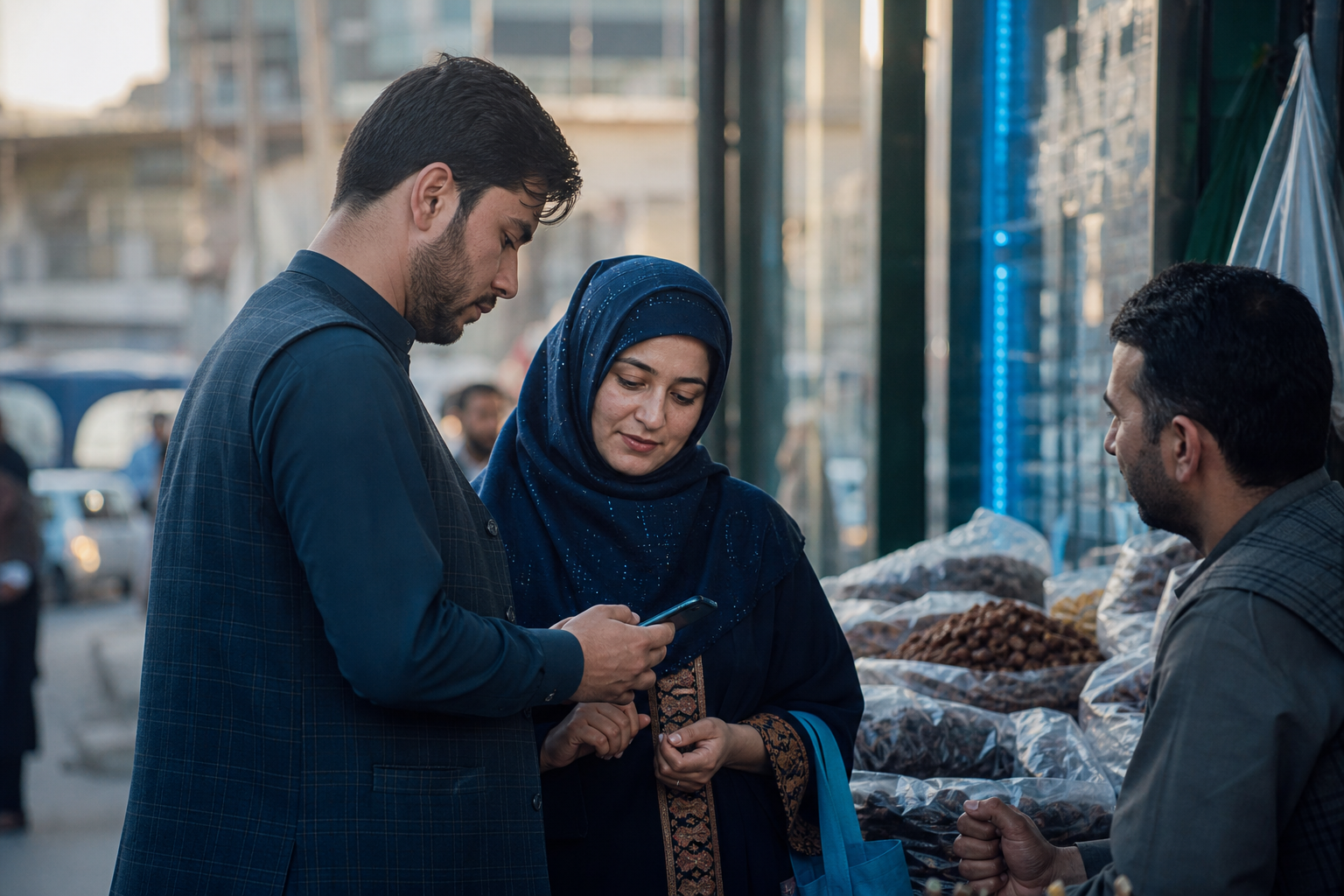
A digital wallet can be more convenient than paper cash in Afghanistan for everyday payments, transfers, and record-keeping, especially when you want less physical handling of money. It may also help reduce the risks of carrying large amounts of cash, though the practical benefits depend on network access, device availability, and which services are supported in your area.
Why do people choose a digital wallet instead of cash?
People often choose a digital wallet because it can be faster, easier to carry, and simpler to organize than paper cash. In daily life, that can matter when you are paying for services, sending money to family, or trying to keep a clearer record of transactions.
- Less cash to carry
You can reduce the need to keep physical money with you for every payment, which may be more practical in busy markets, offices, or during travel.
- Faster everyday payments
Digital payments can save time when both the sender and receiver use compatible services and the transaction process is working smoothly.
- Clear transaction history
Many wallet services keep a digital record of activity, which can help with budgeting, follow-up, or checking whether a payment was sent.
- Less exposure to loss or theft
Compared with carrying paper cash, a wallet stored on a phone or account may reduce the need to move large amounts of physical money around.
How can a digital wallet make daily life easier?
A digital wallet can simplify routine money tasks by letting you send, receive, and store value without needing exact paper notes every time. That is useful for payments that happen repeatedly, such as family support, small purchases, or service fees where digital acceptance exists.
What are the safety advantages over paper cash?
One major advantage is that digital wallets can reduce the amount of physical cash you need to carry, which may lower the inconvenience of loss, damage, or theft. However, digital wallets are not risk-free, because phones can be lost and accounts can still be exposed if security practices are weak.
For that reason, the safest approach is to use a wallet together with strong personal security habits rather than assuming digital money removes all risk.
When is cash still the better option?
Cash is still important in Afghanistan, especially where digital acceptance is limited, mobile service is unstable, or the other person prefers paper money. It can also be the practical choice for very small informal transactions, emergencies, or places that do not yet support digital payment methods.
| Situation | Digital wallet | Paper cash |
|---|---|---|
| Accepted by the recipient | Often convenient if both sides can use the same or compatible service | Works when direct cash handling is preferred |
| Keeping records | Usually easier to review transaction history | Requires manual tracking |
| Access during outages | May depend on device, power, and network access | Does not depend on connectivity |
| Carrying value | More convenient for moving money without physical notes | Simple, but bulkier for larger amounts |
How do digital wallets support family and business payments?
Digital wallets can be useful for sending support to relatives, paying workers, or receiving money from customers when the service is available on both sides. For small businesses, they may also make it easier to separate personal spending from business receipts, although the exact tools vary by provider.
- Family support
Money can be sent without arranging a physical handoff, which may be helpful across neighborhoods or provinces when services are available.
- Business convenience
Merchants and workers may find digital payment acceptance easier to manage than handling only paper cash.
- Budget awareness
Digital records can help households and small businesses see spending patterns more clearly.
How can you start using a digital wallet more confidently?
Start by checking whether the wallet service is available where you live and whether the people you pay also use it. Then learn the basic steps for sending, receiving, checking balance, and securing your account before using it for larger transactions.
- Confirm local availability
Make sure the service works in your area and is accepted by the people or businesses you deal with.
- Protect your access
Use a strong PIN or password and keep your phone secured.
- Try small transactions first
Begin with low-risk payments so you can understand the process.
- Keep your details private
Do not share codes, passwords, or sensitive account information with others.
Why choose HesabPay for digital payments?
If you want to explore digital payments in Afghanistan, HesabPay can be a practical place to start because it is designed around everyday payment needs. Availability and features may vary by location and service setup, so it is best to check the current options directly before relying on any wallet for regular use.
Frequently asked questions
Is a digital wallet always better than cash in Afghanistan?
No. A digital wallet can be more convenient in many situations, but cash is still useful where digital acceptance is limited or connectivity is unreliable.
What is the biggest benefit of using a digital wallet?
For many people, the biggest benefit is convenience: less physical cash to carry and easier payment tracking.
Are digital wallets safe to use?
They can be safer in some ways than carrying cash, but safety depends on your device security, PIN protection, and how carefully you protect your account details.
Can I use a digital wallet for family support payments?
Often yes, if both the sender and receiver can access the same or compatible payment service and the transfer feature is available.
What should I check before switching from cash?
Check service availability, acceptance by the people you pay, your phone and network access, and the wallet’s security features.
Does using a digital wallet remove the need for cash completely?
Usually not. In Afghanistan, many people still keep some cash for situations where digital payments are not accepted or available.